SIX WAYS AN ENDURANCE TREK COULD CHANGE YOUR LIFE
29TH OCTOBER 2026 · RACHEL SILCOCK · 7 MIN READ
Multi-day trekking – the kind where you carry everything on your back, sleep under canvas, and cover ground for weeks on end – isn’t everyone’s cup of tea. On long treks you sweat, you struggle, you push your limits and by the end you might ache all over. But the best things in life aren’t meant to be easy – and there are some unreal benefits that come from time on the trail…
1. RESET YOUR BRAIN
For most of our history, humans have spent 85% of our time outside. Our brains are built for movement, nature, and in-person connection – but in recent years constant screen use has left us overstimulated, introverted and addicted to the instant dopamine hit of doomscrolling.
Multi-day treks offer a unique opportunity for prolonged ‘phone fasting’. This technique – proposed by neuroscientist TJ Power – breaks the cycle of ‘The Scroll’, helps to repair your attention span, and allows you to embrace the slow dopamine release of effortful, rewarding outdoor activity. You have to earn your achievements on trail – there’s no instant gratification in a long hard climb – but it’s that struggle that makes the satisfaction last.


2. UNLOCK GREATER CONFIDENCE
Modern life puts a lot of pressure on appearance. Clothes, face, body – we’re all bombarded with opinions and trends that are impossible to keep up with. Its constant, its relentless – then you step on the trail, and those demands suddenly go quiet.
On a long-distance trek there’s no aesthetic expectation. You wear what’s functional, you embrace being grubby, you literally forget what you look like.
Instead, you’re invested in what your body can do. You’ll discover strength in your legs you didn’t know you had, resilience in your mind that keeps you pushing on. Your pack will feel heavy, but you’ll feel lighter, because you’ll know what you’re capable of – and that it’s far more important than a like count or a ‘perfect’ look.
3. DISCOVER WHAT YOU REALLY NEED
The trail life isn’t exactly luxurious: no hot showers, limited privacy, your whole life packed up in one bag (which you have to carry). But going back to basics can actually be really rewarding.
First of all, you discover that you need far less than you thought. The latest gadget, the flashiest shoes, the 35 subscriptions to streaming services – they aren’t necessaries – and you can live a full (and action packed) life without them.
Second, you start to recognise the great things you’ve already got. Think warm water, a bed to sleep in, hot meals, flushing toilets. These modern staples that are really pretty miraculous. When you get back, you will be unbelievably grateful.


4. FIND MATES WHO STICK AROUND
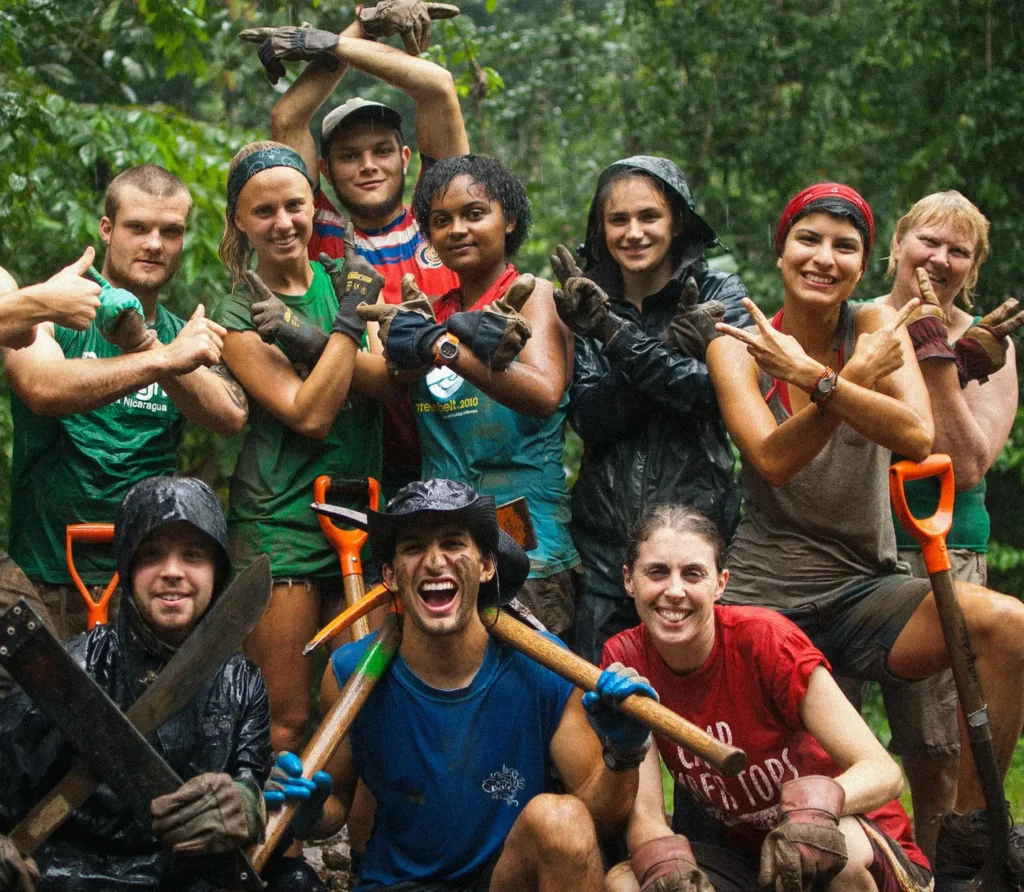
Multi-day trekking is pretty much the perfect environment to form lasting friendships. You meet people who have a guaranteed interest in common, who have quality time to get to know you, and with whom – although you just met– you’re able to be your most honest, unfiltered self. You’ll see your “trail family” at their worst – exhausted, struggling and completely disheartened – but also at their best – proud and awe struck at the summit – and that whole experience is something you’ll share forever.
5. BOOST YOUR CREATIVITY
Hiking has long been a proving ground for creativity. From cultural icons like the poet William Wordsworth (who covered an estimated 180,000 miles in his lifetime) to J.R.R. Tolkien (whose alpine trekking inspired the landscape of Middle Earth), some of literature’s most imaginative ideas have come from time in nature, travelling on two feet.
Oppezzo and Schwartz identified a clear correlation between walking and creativity in their 2014 Stanford study. Walking outside, they found, was particularly beneficial, and could increase creative output by up to 81%.


6. FORM YOUR FUTURE SELF
A long-distance trek demands determination and grit. You’ll have to make hard calls, hike on through your toughest hours, confront emergencies and admit your own mistakes. In the wilderness, tenacity isn’t just a corporate buzzword: its a real tool you develop. And its also one that lasts. As neuroscientist and Stanford professor Andrew Huberman sees it:
“The reason to deliberately do hard things is so that when non-self-elected challenges arrive (and they will), you can tell yourself: “I don’t know how this is all going to turn out, but I am certain I can do hard things.”
FEELING INSPIRED? MAKE IT REAL WITH RALEIGH
Raleigh’s Endurance Trek is a unique opportunity to experience some of the world’s most remote and rugged landscapes alongside like-minded people, traversing trails that few ever explore. Journey hundreds of KMs on foot, with everything on your back, and discover the life-changing realities of multi-day trekking for yourself
KEEP READING